
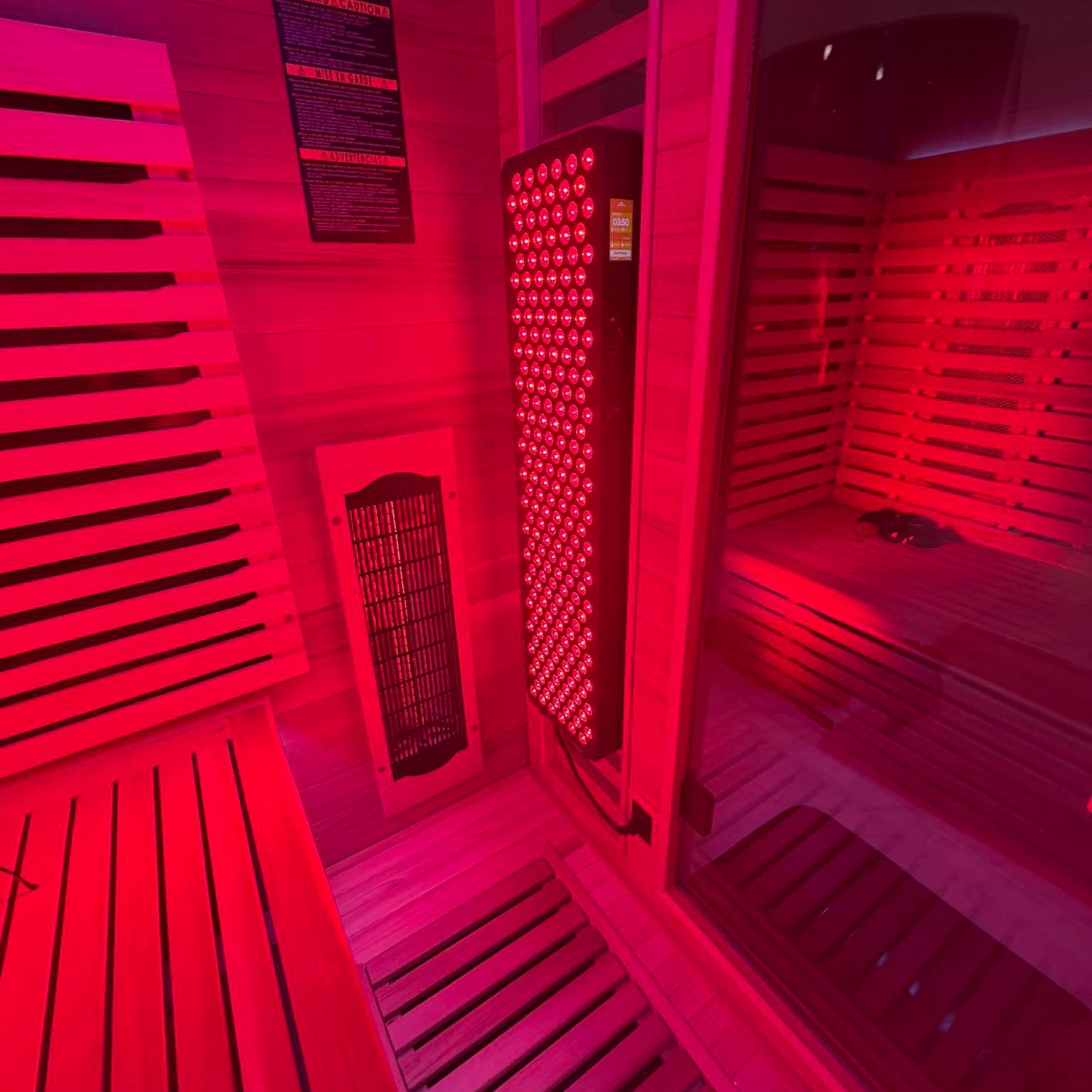
What Does an Infrared Sauna Do? A Complete Guide to Thermal Health Benefits
An infrared sauna uses light energy within the invisible infrared spectrum to heat the human body directly at a cellular level, rather than warming the surrounding ambient air, triggering a deep, purifying sweat and stimulating vital biological processes. By penetrating deeper into subcutaneous tissue, muscles, and joint structures than traditional steam saunas, an infrared sauna increases systemic blood circulation, accelerates post-workout muscular recovery, alleviates chronic joint pain and inflammation, reduces stress by downregulating cortisol levels, promotes cellular detoxification, enhances skin health through boosted collagen production and pore cleansing, improves sleep quality, and supports overall heart health. Operating at milder, far more comfortable temperatures than conventional saunas, it offers a deeply restorative thermal environment that stimulates cellular regeneration, releases natural pain-relieving endorphins, and promotes overall physical and mental wellness.
The growing popularity of infrared saunas across modern wellness cultures is far from a fleeting trend. Across the globe, health enthusiasts, professional athletes, medical practitioners, and individuals seeking holistic recovery are turning to radiant thermal therapy as an essential pillar of their self-care regimens. Unlike classical saunas that rely on hot rocks or high-humidity steam to raise room temperatures to scorching levels, infrared technology harnesses radiant energy to directly interact with biological tissue. This scientific distinction changes how the body responds to heat, making sessions significantly more tolerable while unlocking therapeutic mechanisms that go far beyond basic sweating.
Understanding what occurs within your body during an infrared sauna session reveals why this practice has become such a powerful tool for health optimization. From dermatological renewal and neurological calming to metabolic stimulation and deep-tissue relief, radiant heat works synergistically across multiple organ systems. In this comprehensive guide, we will examine the physiological mechanics of infrared therapy, explore its wide array of evidence-supported health benefits, outline two vital additional health features, provide step-by-step guidance for beginners, address safety considerations, and answer the most frequently asked questions.
1. What Is an Infrared Sauna and How Does Thermal Energy Work inside the Body?
To appreciate what an infrared sauna does for the human body, one must first understand the fundamental physics of infrared light and thermal absorption. Infrared light represents a invisible frequency band on the electromagnetic spectrum, positioned just beyond the red end of visible light. Although invisible to the human eye, infrared energy is perceived by human skin as gentle, deeply warming radiant heat. It is the same natural thermal wavelength that the sun emits to warm the earth, completely isolated from harmful ultraviolet (UV) radiation.
In a traditional Finnish or steam sauna, electric heaters or burning wood heat the air inside the enclosure to temperatures ranging from 180°F to over 200°F (82°C to 93°C). The human body is then heated secondarily through convection as this hot, humid air contacts the skin surface. This environment can often feel stifling, harsh, and difficult to breathe in, forcing many people to end their sessions prematurely due to respiratory discomfort or surface skin burning before deeper therapeutic benefits can occur.
In contrast, an infrared sauna utilizes specially engineered heating panels—often constructed from carbon or ceramic materials—that emit specific infrared wavelengths directly toward the occupant. Because radiant energy travels through space without needing to warm the intervening air, an infrared cabin operates at a far more manageable ambient temperature, typically between 110°F and 140°F (43°C to 60°C).
The infrared spectrum utilized in modern saunas is categorized into three primary wavelengths, each offering unique biological penetration depths and health benefits:
- Near-Infrared (NIR): Exhibiting the shortest wavelength, near-infrared energy penetrates the superficial layers of the skin. It interacts directly with chromophores inside cellular mitochondria, stimulating adenosine triphosphate (ATP) production, driving tissue repair, accelerating wound healing, and boosting skin elasticity.
- Mid-Infrared (MIR): Featuring a medium wavelength, mid-infrared energy penetrates deeper into soft tissues, tendons, and muscle groups. It promotes vasodilation, increases localized circulation, and speeds the delivery of oxygenated blood to injured or fatigued tissues.
- Far-Infrared (FIR): Exhibiting the longest wavelength, far-infrared energy penetrates up to 1.5 inches deep into subcutaneous fat and muscle beds. FIR energy causes water molecules in human cells to vibrate, raising core body temperature from within. This internal thermal shift induces a heavy, toxin-cleansing sweat at significantly lower room temperatures.
When infrared energy enters biological tissue, it triggers a cascade of physiological responses. Core body temperature rises by 1 to 2 degrees Fahrenheit, initiating a controlled, temporary hyperthermic state. This artificial, mild fever stimulates the immune system, expands capillary networks, increases heart rate, and mobilizes deep-seated cellular metabolic waste products. The result is a profound bodily response that delivers extensive physical and mental benefits.
2. Why Does Infrared Sauna Light Improve Skin Health and Boost Natural Radiance?
Achieving vibrant, healthy, and youthfully radiant skin is a primary goal for many wellness enthusiasts, yet cosmetic products often only treat the outermost epidermal layer. An infrared sauna supports skin health from the inside out by engaging the vascular and cellular systems that govern dermatological vitality.
When infrared radiant heat penetrates the dermis and subcutaneous tissues, it initiates pronounced microvascular vasodilation. Capillaries and blood vessels throughout the dermal matrix expand dramatically, increasing cutaneous blood flow by up to several hundred percent. This surge of blood delivers a rich supply of oxygen, amino acids, vitamins, and vital trace minerals directly to living skin cells, fueling continuous cellular turnover and repair.
Simultaneously, the profuse sweating induced by far-infrared wavelengths serves as a natural, deep-pore cleansing mechanism. As the body perspires heavily from its eccrine and apocrine glands, the fluid movement helps wash away trapped sebum, ambient environmental pollutants, residual cosmetics, dead skin cells, and microscopic bacteria that contribute to clogged pores, blackheads, and acne breakouts. Unlike surface washing, which can strip the skin of essential natural oils, thermal sweating purges impurities from deep within the pore architecture while maintaining skin hydration balance.
Furthermore, exposure to near-infrared light stimulates fibroblast cells located within the dermis. Fibroblasts are the primary cells responsible for manufacturing collagen and elastin—the structural proteins that maintain skin firmness, smoothness, and elasticity. As natural collagen production declines with age, near-infrared light therapy helps stimulate collagen synthesis, helping smooth fine lines, refine skin texture, and restore a youthful, healthy complexion over time.
Regular infrared sauna sessions also assist individuals dealing with chronic dermatological conditions such as mild eczema, non-acute psoriasis, and persistent dryness. By enhancing capillary circulation and facilitating dead cell shedding, radiant thermal exposure supports skin barrier repair. However, individuals experiencing acute inflammatory skin flare-ups should enter the sauna at lower temperatures to avoid aggravating thermal sensitivity, always ensuring they rinse thoroughly with lukewarm water immediately following a session to prevent sweat salts from irritating delicate tissue.
3. How Does Deep Radiant Heat Provide Natural Pain Relief for Joints and Muscles?
Dealing with daily body aches, stiffness, or chronic pain conditions can significantly diminish quality of life, impair mobility, and limit physical performance. Infrared saunas provide a non-invasive, drug-free method for managing and relieving musculoskeletal pain by addressing both the root systemic causes and local symptom expressions of discomfort.
The therapeutic secret to infrared pain relief lies in its ability to penetrate deep beneath the skin surface directly into joint capsules, bursae, tendons, ligaments, and dense muscle tissues. Traditional surface heating methods—such as hot water bottles or warm baths—primarily warm the outer skin, with minimal heat reaching deeper structural layers. Infrared wavelengths, however, transfer thermal energy up to 1.5 inches into soft tissue, raising internal tissue temperatures and promoting muscle relaxation.
This targeted heat application initiates several biochemical mechanisms that relieve pain:
- Cytokine Downregulation and Anti-Inflammatory Effects: Chronic pain is frequently driven by underlying systemic inflammation. Infrared thermal therapy has been shown to decrease concentrations of pro-inflammatory cytokines, such as Interleukin-6 (IL-6) and Tumor Necrosis Factor-alpha (TNF-alpha), while reducing oxidative stress markers in connective tissues.
- Targeted Endorphin Release: As core body temperature rises, the central nervous system releases endogenous opioid peptides, specifically beta-endorphins and enkephalins. These neurochemicals act as natural analgesics, binding to mu-opioid receptors in the brain and spinal cord to dampen pain signaling and elevate mood.
- Gating Pain Signals: According to the Gate Control Theory of Pain, thermal sensory input transmitted via fast-conducting thermal nerve fibers can effectively override and block slower-conducting pain signals from reaching the brain's conscious pain processing centers.
For individuals suffering from degenerative or inflammatory joint conditions such as osteoarthritis, rheumatoid arthritis, ankylosing spondylitis, or fibromyalgia, regular infrared sauna usage can lead to significant reductions in morning stiffness and joint discomfort. The deep warmth decreases joint fluid viscosity, encouraging smooth movement and improving overall range of motion.
To amplify these pain-relieving effects, many users combine their sauna sessions with gentle, low-impact stretching or slow restorative yoga movements inside the warm cabin. The elevated thermal state makes collagenous tissues, tendons, and muscles substantially more pliable, allowing for safe, gradual stretching without risking acute strain or tearing.
4. Why Does Thermal Sauna Therapy Reduce Stress Levels and Lower Cortisol Production?
In today's fast-paced, hyper-connected world, chronic psychological stress has become a widespread modern concern. Prolonged exposure to mental strain keeps the human nervous system locked in a continuous "fight-or-flight" state, driving up circulating stress hormones, elevating blood pressure, disrupting digestive function, and draining mental energy. An infrared sauna provides a tranquil retreat that supports both mind and body.
At the physiological core of sauna-induced stress relief is the autonomic nervous system (ANS). The ANS is divided into two distinct branches: the sympathetic nervous system (SNS), which drives stress and alertness, and the parasympathetic nervous system (PNS), which governs rest, recovery, digestion, and relaxation. The soothing heat of an infrared sauna helps trigger a shift from sympathetic dominance to parasympathetic dominance.
As you sit quietly in the warm, enclosed environment, radiant thermal energy expands peripheral blood vessels, lowers central vascular resistance, and signals to the brain that the environment is safe and restful. This biological transition leads to measurable systemic changes:
- Reduction in Cortisol Levels: Cortisol is the primary stress hormone produced by the adrenal glands. While acute cortisol spikes are essential for handling immediate danger, chronically elevated cortisol impairs immune function, promotes abdominal fat storage, disrupts sleep, and accelerates systemic aging. Infrared sauna sessions help regulate the hypothalamic-pituitary-adrenal (HPA) axis, leading to a steady drop in circulating cortisol.
- Vagus Nerve Activation: The vagus nerve serves as the primary neural superhighway of the parasympathetic system. The deep, warm environment promotes slow, abdominal breathing, which stimulates vagal tone, reduces resting heart rate variability stress patterns, and induces a state of deep physical calm.
- Neurological Grounding and Solitude: Beyond biochemical shifts, an infrared sauna provides dedicated time for mental solitude. Free from smartphones, computer screens, and daily interruptions, the session acts as a physical and mental sanctuary. This quiet space allows individuals to practice mindfulness, deep meditation, or simple breathwork, giving the brain an opportunity to reset.
Regular engagement in thermal stress-relief sessions creates cumulative resilience. Users routinely report feeling more emotionally balanced, less reactive to daily stressors, and better equipped to navigate personal and professional challenges with mental clarity.
5. How Does Radiant Heat Speed Up Workout Recovery and Reduce Muscle Soreness?
Whether you are a competitive athlete, a dedicated weightlifter, or someone who enjoys regular recreational exercise, effective muscle recovery is vital for maintaining physical progress and preventing injury. Intensive physical exertion creates microscopic tears in muscle fibers, depletes glycogen stores, and generates metabolic byproducts that lead to stiffness and Delayed Onset Muscle Soreness (DOMS). Infrared saunas serve as an exceptional recovery tool that speeds up tissue repair.
The primary driver of accelerated muscle recovery inside an infrared sauna is hyperemic blood flow. As radiant heat penetrates deep into fatigued muscle bellies, localized blood circulation increases dramatically. This vasodilation delivers essential metabolic nutrients to damaged tissues, including:
- Oxygen: High volume oxygen delivery supports aerobic cellular respiration, allowing recovering muscle cells to rebuild structural proteins efficiently.
- Amino Acids: Elevated arterial blood flow delivers essential amino acids required for muscle protein synthesis and structural repair.
- Glucose: Accelerated blood circulation speeds up the replenishment of depleted muscular glycogen reserves.
At the same time, this enhanced circulation helps clear metabolic byproducts that accumulate during intense anaerobic or aerobic exercise. While lactic acid clears naturally short after exercise, other cellular waste products, inflammatory metabolic debris, and excess hydrogen ions can linger within muscle tissue, causing persistent ache and tightness. Thermal vasodilation assists the lymphatic and venous systems in flushing these compounds out of affected tissues, helping prevent DOMS from setting in days after a workout.
Another key biological mechanism activated during an infrared sauna session is the production of Heat Shock Proteins (HSPs), particularly HSP70 and HSP90. Heat Shock Proteins are protective molecular chaperones produced by cells in response to mild thermal stress. These specialized proteins help repair damaged or misfolded intracellular proteins, prevent muscular atrophy, reduce oxidative damage, and support rapid cellular rebuilding.
Furthermore, the gentle warmth of the sauna relaxes tight, hypertonic muscle fibers and softens surrounding fascial sheaths. By reducing resting muscular tension, infrared therapy helps restore optimal muscle length-tension relationships, improves joint mobility, and lowers the risk of acute muscle strains during subsequent training sessions.
6. Why Does Sitting in an Infrared Sauna Help You Sleep Better at Night?
Restorative, uninterrupted sleep is fundamental to human health, serving as the primary phase for cognitive consolidation, hormonal balancing, tissue repair, and immune system maintenance. Yet millions of adults struggle with falling asleep, staying asleep, or achieving high-quality deep sleep stages. Incorporating an infrared sauna routine into your evening schedule offers a natural, highly effective solution for improving sleep quality.
The link between thermal therapy and enhanced sleep quality is largely rooted in body temperature regulation and circadian biology. Human circadian rhythms naturally control body temperature over a 24-hour cycle. During the day, core body temperature remains elevated to support alertness. As night approaches, the brain begins lowering core body temperature by releasing heat through peripheral blood vessels in the hands, feet, and skin surface—a physiological signal that triggers natural sleepiness and stimulates melatonin secretion from the pineal gland.
Using an infrared sauna late in the afternoon or early evening strategically aligns with this natural thermoregulatory process:
- The Post-Sauna Temperature Drop: During a 20-to-30-minute sauna session, core body temperature rises safely by 1 to 2 degrees Fahrenheit. Once you exit the sauna cabin, your vascular system works rapidly to release this trapped heat, causing peripheral blood vessels to dilate and cool the body's core. This post-sauna drop in temperature acts as a powerful biological signal to the central nervous system, mimicking the body's natural pre-sleep cooling phase and inducing deep sleepiness.
- Enhanced Melatonin Output: The profound muscle relaxation and reduced nervous system activity following a sauna session help facilitate the natural synthesis and release of melatonin, the body's sleep-regulating hormone.
- Prolonged Deep Sleep Stages: Clinical observations show that thermal therapy before bedtime increases the duration of Stage 3 and Stage 4 non-REM sleep—commonly known as slow-wave deep sleep. Deep sleep is the phase during which the brain releases human growth hormone (HGH), repairs physical tissues, clears neural cellular waste through the glymphatic system, and restores physical energy.
To maximize these sleep-promoting benefits, schedule your infrared sauna session roughly 60 to 90 minutes before your target bedtime. Follow the session with a warm-to-lukewarm shower, put on comfortable sleep attire, and allow your body to naturally cool down in a quiet, dimly lit environment as you prepare for rest.
7. What Makes Infrared Sweating Effective for Cellular Detoxification and Flushing Toxins?
(Additional Health Feature 1)
In the modern world, the human body is exposed to an unprecedented volume of synthetic chemicals, industrial pollutants, heavy metals, pesticides, and plasticizers through air, water, processed foods, and household items. Over time, these toxic compounds can accumulate within fatty tissues, liver cells, kidney matrices, and extracellular fluid, contributing to chronic fatigue, systemic inflammation, metabolic dysfunction, and cellular stress. Infrared sauna sweating serves as a powerful, non-invasive method for supporting cellular detoxification.
To understand why infrared saunas excel at cellular detoxification, one must examine the composition of sweat produced under radiant heat compared to sweat generated through high-intensity exercise or traditional steam saunas. Sweat produced in high-heat steam environments consists almost entirely of water (approximately 95% to 97%), with minimal fat-soluble substances or metabolic waste products.
In contrast, far-infrared light directly vibrates cellular water molecules, causing fat-soluble toxins trapped within subcutaneous lipid stores to be mobilized and excreted through sweat and apocrine glands. Analytical studies evaluating sweat composition generated during far-infrared sessions reveal a higher concentration of non-water elements—often reaching up to 15% to 20% of total sweat volume.
Key toxic compounds excreted through deep infrared sweating include:
- Toxic Heavy Metals: Cumulative bioaccumulation of heavy metals such as lead, mercury, cadmium, arsenic, and aluminum poses significant neurological and metabolic risks. Sweating induced by infrared heat provides an active pathway for clearing these toxic heavy metals through dermal pores, helping lighten the filtration load on the liver and kidneys.
- Environmental Xenobiotics: Endocrine-disrupting compounds such as Bisphenol A (BPA), phthalates, polychlorinated biphenyls (PCBs), organochlorine pesticides, and residues from persistent industrial solvents are processed and excreted through the skin's lipid-rich sweat channels.
- Metabolic Cell Waste: Elevated metabolic clearance helps flush out excess cellular metabolic byproducts, urea, lactic acid, and environmental pollutants stored in subcutaneous fat layers.
Furthermore, thermal exposure stimulates the body's lymphatic system—the interstitial drainage network responsible for transporting waste, cellular debris, and pathogens away from tissues and into circulation for excretion. The mild systemic heat encourages lymphatic fluid movement, reducing fluid retention, alleviating tissue swelling, and supporting overall immunological clearance.
8. How Does Infrared Heat Support Heart Health and Improve Cardiovascular Blood Flow?
(Additional Health Feature 2)
Maintaining cardiovascular health is vital for long-term vitality, longevity, and disease prevention. While regular aerobic exercise remains the cornerstone of heart health, thermal therapy using infrared saunas offers remarkable passive cardiovascular benefits, making it an excellent supportive tool for overall cardiovascular conditioning.
When you step into an infrared sauna, your cardiovascular system responds similarly to how it reacts to moderate passive cardiovascular exercise, such as a brisk walk or steady stationary cycling. As heat energy warms the core tissue, the heart must pump more blood to peripheral blood vessels near the skin surface to radiate excess heat away from the body.
This thermal cardiovascular response sets off several positive cardiovascular adaptations:
- Elevated Heart Rate and Cardiac Output: During a standard 30-minute infrared sauna session, your resting heart rate can rise from an average of 60–70 beats per minute (BPM) up to 100–120+ BPM. Stroke volume and overall cardiac output increase, providing a gentle cardiovascular workout without placing mechanical strain, impact forces, or weight-bearing stress on worn joints, ligaments, or spinal discs.
- Endothelial Function and Nitric Oxide Production: The inner lining of blood vessels—known as the endothelium—plays a critical role in regulating vascular tone and arterial stiffness. Infrared exposure stimulates endothelial Nitric Oxide Synthase (eNOS), an enzyme responsible for generating nitric oxide. Nitric oxide causes smooth muscle cells within arterial walls to relax, widening blood vessel diameters (vasodilation) and reducing systemic peripheral resistance.
- Blood Pressure Regulation and Arterial Flexibility: Regular, long-term infrared sauna usage has been shown to improve arterial compliance and elasticity, helping lower elevated resting systolic and diastolic blood pressure over time. By reducing arterial stiffness, thermal therapy lowers the heart's workload when pumping blood throughout the systemic circulatory system.
For individuals facing physical limitations, recovering from orthopedic injuries, or managing mobility challenges that prevent traditional aerobic exercise, infrared saunas offer an effective way to maintain cardiovascular conditioning. Even for seasoned athletes, passive cardiovascular conditioning complements intensive training days, aiding recovery while keeping the heart and blood vessels adaptable and healthy.
9. When Should You Use an Infrared Sauna and How Frequently Is Ideal?
To experience the full biological benefits of infrared sauna therapy, consistency and proper protocol execution are essential. Thermal therapy operates on the principle of horrmesis—a biological phenomenon where mild, controlled stress triggers adaptive cellular responses that strengthen the body over time. Establishing an appropriate frequency, duration, and care routine ensures safe and optimal long-term results.
Frequency Recommendations Based on Personal Health Goals
- For Beginners and General Wellness: 2 to 3 sessions per week. This frequency allows your cardiovascular system, sweat glands, and autonomic nervous system to comfortably acclimate to radiant heat.
- For Athletic Recovery and Muscle Pain: 3 to 5 sessions per week, scheduled post-workout or on active recovery days to flush metabolic waste and speed muscle repair.
- For Chronic Joint Pain and Stress Management: 4 to 7 short sessions per week. Daily low-to-moderate thermal sessions offer continuous anti-inflammatory support and keep stress levels well managed.
Step-by-Step Practical Usage Guide for Beginners
To maximize safety, comfort, and efficacy, follow these practical steps during your thermal therapy routine:
- Hydrate Thoroughly Before, During, and After: Sweating during an infrared session can lead to fluid loss ranging from 0.5 to 1.5 liters of water. Begin drinking clean, filtered water several hours before your session. Consume 16–24 ounces of water during and immediately after your session. To maintain optimal hydration balance, add a pinch of mineral-rich sea salt or a quality electrolyte mixture containing sodium, potassium, and magnesium to your post-sauna water.
- Start Slow with Temperature and Duration: If you are new to infrared saunas, begin with shorter sessions lasting 10 to 15 minutes at a modest temperature of 115°F to 120°F (46°C to 49°C). As your heat tolerance improves over several weeks, gradually extend duration up to 30 to 40 minutes and raise temperatures to 130°F–140°F (54°C–60°C). Alternatively, step into the cabin while it is preheating; this allows your body to warm up gradually alongside the ambient environment.
- Wear Light Attire for Direct Light Absorption: Infrared heat energy works best when radiant light waves strike bare skin directly. Heavy clothes act as a barrier to infrared wave absorption. Opt for light attire such as a towel, bathing suit, or lightweight cotton shorts. Always sit on a clean, soft cotton towel inside the cabin to absorb sweat and protect sauna bench surfaces.
- Listen Carefully to Your Body’s Internal Feedback: Thermal therapy should feel calming, relaxing, and invigorating—never uncomfortably hot or exhausting. Pay close attention to early biofeedback signs of overheating. If you begin feeling dizzy, lightheaded, nauseous, or uncomfortably faint, exit the cabin immediately, sit in a cool environment, and sip room-temperature water. Never push past comfortable limits on day one.
- Rinse Off with a Cool-to-Lukewarm Shower: After completing your session, allow your body to cool down naturally in a comfortable room for 5 to 10 minutes. Follow this rest period with a lukewarm or cool shower. Showering washes away excreted sweat toxins, heavy metals, and dead skin cells, preventing them from reabsorbing into open pores while gently helping bring core body temperature back to resting levels.
- Allow Time for Rest and System Recovery: Radiant thermal sessions induce deep physical relaxation similar to a moderate workout. Avoid jumping straight into high-intensity physical tasks or stressful activities immediately after exiting the sauna. Give your body 15 to 20 minutes to rest, hydrate, and absorb the therapeutic benefits.
- Maintain Long-Term Consistency: Biological adaptations—such as collagen synthesis, lowered resting blood pressure, improved arterial compliance, and cellular detoxification—develop progressively through consistent practice. Make infrared sauna therapy a predictable, enjoyable part of your weekly wellness routine for lasting health benefits.
10. Where Can You Experience the Transformative Health Benefits of Infrared Saunas?
Integrating infrared sauna therapy into your routine is straightforward, with options ranging from adding a unit to your home to visiting specialized wellness centers. Transforming an unused corner of a bedroom, master bath, home gym, or covered outdoor patio into a personal wellness space allows you to enjoy thermal therapy on your own schedule.
When evaluating an infrared sauna for home or commercial use, consider several key factors:
- Heater Panel Quality and Wavelength Range: Select saunas manufactured with high-grade carbon or carbon-ceramic combination heating elements that deliver balanced, full-spectrum wavelengths (Near, Mid, and Far infrared).
- Low Electromagnetic Field (EMF) Engineering: Ensure the manufacturer utilizes low-EMF or ultra-low-EMF technology, keeping electromagnetic radiation exposure minimal during heat sessions.
- Non-Toxic Sustainably Sourced Wood: Opt for solid, untreated, non-toxic woods such as Canadian Western Red Cedar, Hypoallergenic Hemlock, or Eucalyptus, which resist moisture, prevent fungal growth, and contain no toxic synthetic glues or off-gassing finishes.
For homeowners looking to create a true spa sanctuary, Norveliving offers premier, top-of-the-line outdoor and indoor infrared saunas designed to combine aesthetic beauty with long-term functional performance. Whether your goal is to build an outdoor backyard retreat beside a pool or install an indoor thermal sanctuary, exploring different models in person can help you find the right fit for your space and health goals.
11. Who Can Safely Use an Infrared Sauna and What Precautions Should Be Taken?
While infrared saunas are safe, effective, and beneficial for the vast majority of healthy teenagers and adults, thermal therapy places unique demands on human physiology. Understanding health contraindications and safety guidelines ensures every session remains beneficial and secure.
Groups Who Benefit Greatly from Infrared Saunas
- Athletes, bodybuilders, and fitness enthusiasts recovering from intensive muscular training.
- Individuals living with chronic non-inflammatory musculoskeletal joint pain or morning stiffness.
- Busy professionals and parents looking for effective stress reduction and restorative sleep support.
- Individuals seeking non-invasive methods to support skin renewal, collagen production, and deep cellular detox.
Safety Precautions and Key Contraindications
- Pregnancy: Pregnant women should avoid infrared sauna usage without explicit approval from their obstetrician, as elevated core body temperatures (hyperthermia) can pose risks to fetal development, particularly during the first trimester.
- Cardiovascular Conditions & Uncontrolled Blood Pressure: Individuals with recent heart attacks, unstable angina, severe aortic stenosis, or uncontrolled high or low blood pressure should consult their cardiologist before embarking on thermal therapy.
- Alcohol Consumption: Never consume alcohol immediately before or during an infrared sauna session. Alcohol impairs body temperature regulation, drastically increases dehydration risks, promotes severe hypotension, and increases the likelihood of fainting or heat exhaustion.
- Acute Fever or Infection: If you are actively suffering from a high fever or systemic infection, skip the sauna. Artificially raising core body temperature when your immune system is already managing a fever can strain internal organ systems.
- Heat-Altering Medications: Certain prescription medications—including transdermal drug patches, diuretics, beta-blockers, and antihistamines—can alter normal blood pressure responses, sweating mechanics, or heat perception. Always review medication warnings with a primary care physician before beginning a heat therapy routine.
Perfect Closing: Transforming Your Health with Infrared Light
An infrared sauna is far more than a luxury thermal amenity; it is a scientifically grounded, non-invasive wellness tool that supports your body from the cellular level outward. By using radiant light energy to heat body tissue directly at comfortable, manageable temperatures, infrared saunas make deep thermal therapy accessible, enjoyable, and restorative.
From boosting skin radiance and accelerating post-workout recovery to providing natural joint pain relief, clearing stress, deepening sleep, flushing cellular toxins, and supporting cardiovascular health, the systemic benefits of infrared sessions are extensive. Making thermal therapy a consistent part of your weekly routine allows these physiological benefits to build, creating lasting improvements in physical vitality, mental clarity, and long-term health.
Whether you choose to incorporate a dedicated infrared unit into your home gym, create an outdoor backyard sanctuary, or start with sessions at a local wellness facility, taking that first step opens the door to a healthier lifestyle. Embrace the gentle warmth, relax as your body releases stored tension, and enjoy the transformative power of radiant heat therapy.
Frequently Asked Questions (FAQs)
FAQ 1: How does an infrared sauna differ from a traditional steam sauna?
The fundamental difference lies in how heat is transferred to the body. Traditional steam saunas use electric heaters, hot rocks, or moist steam to heat the air in the room to high temperatures (180°F to 200°F+), which then warms your skin through convection. Infrared saunas use invisible light wavelengths to heat body tissues directly, causing you to sweat deeply at much cooler, more comfortable room temperatures (110°F to 140°F). This lower heat makes infrared saunas significantly easier to breathe in, far more tolerable for long sessions, and capable of deeper tissue penetration (up to 1.5 inches), which supports enhanced muscle recovery, cellular detoxification, and pain relief without the harsh, humid environment of a steam room.
FAQ 2: What is the optimal time of day to use an infrared sauna for maximum benefits?
The ideal time of day depends on your specific personal health goals:
- For Morning Energy and Stiffness Relief: Scheduling a short, 15-to-20-minute morning session at a moderate temperature (115°F–120°F) increases blood flow, loosens up stiff joints, boosts morning mental alertness, and prepares your muscles for movement without causing fatigue.
- For Muscle Recovery Post-Workout: Use the sauna within 30 to 60 minutes after finishing an intense physical training session to clear metabolic waste, deliver oxygenated blood to recovering muscles, and prevent delayed onset muscle soreness (DOMS).
- For Stress Relief and Sleep Support: Schedule a 20-to-30-minute session in the late afternoon or early evening (roughly 60 to 90 minutes before your target bedtime). The rise and subsequent drop in core body temperature helps signal the brain to release melatonin, making it easier to fall asleep and stay in deep, restorative sleep.
FAQ 3: How long does it take to see visible skin and recovery benefits from using an infrared sauna?
You will experience immediate acute benefits after your very first session, including immediate muscular relaxation, reduced mental stress, temporary pain relief, and a fresh post-sauna skin glow caused by increased cutaneous microcirculation. However, long-term cellular adaptations—such as increased collagen production, lasting skin texture improvements, cumulative joint pain reduction, lower baseline stress, and improved cardiovascular endurance—typically become noticeable after 4 to 8 weeks of consistent use (2 to 4 sessions per week). Consistency is the key to unlocking the full range of infrared health benefits.