
Article: What Is A Dry Sauna
What Is A Dry Sauna
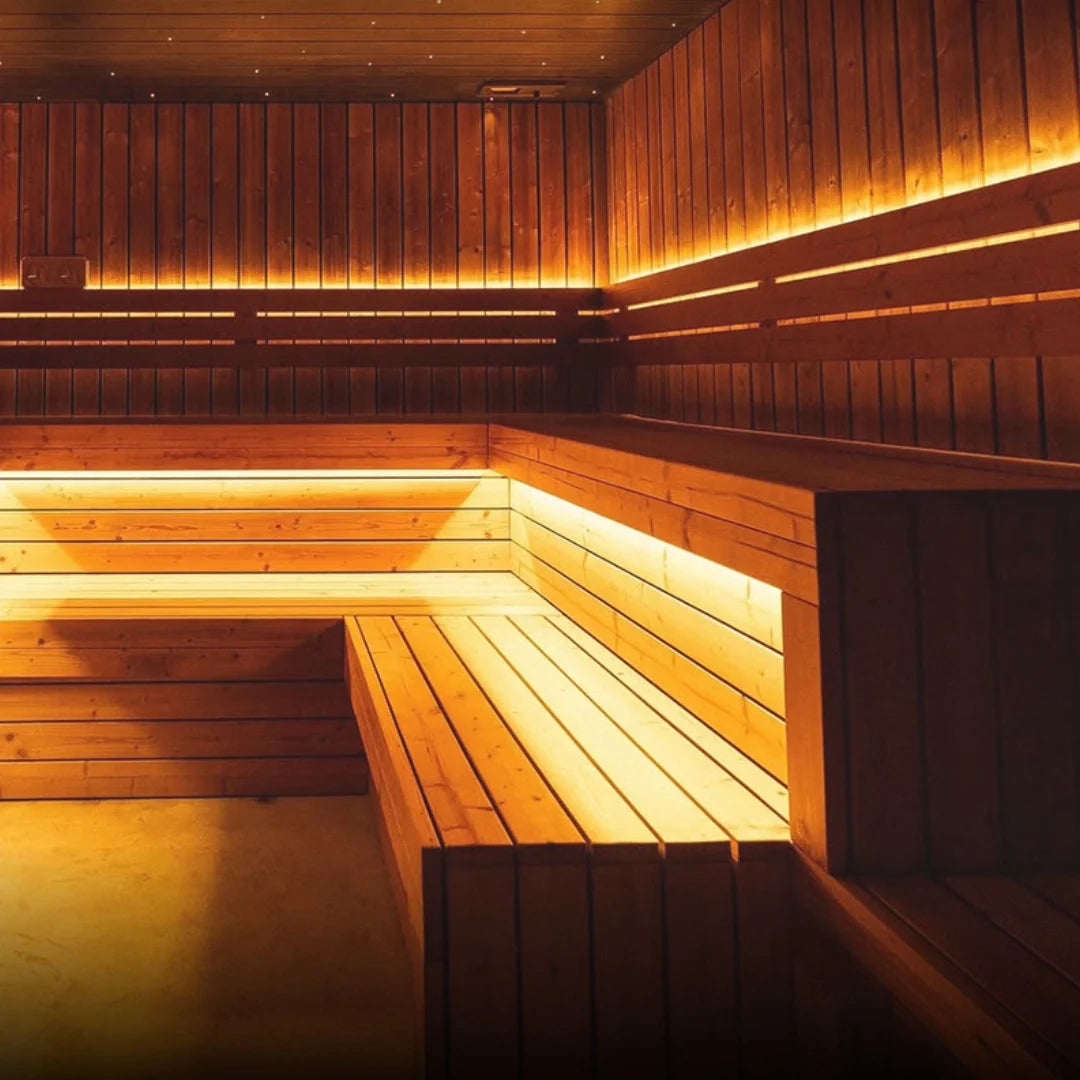
A dry sauna is a specially constructed, enclosed wood-lined room that utilizes a dedicated heating element—such as a traditional rock stove or modern infrared panels—to generate intense ambient temperatures typically ranging between 150°F and 195°F, while maintaining exceptionally low humidity levels, usually between 5% and 20%. Unlike wet saunas or steam rooms that saturate the air with moisture to heat the body, a dry sauna relies on arid, high-temperature heat to induce a deep, profuse sweat. This controlled environment elevates the core body temperature, melting away stress, relaxing tense muscle fibers, and triggering a cascade of physiological responses that mimic the cardiovascular benefits of moderate exercise. Rooted deeply in the ancient Finnish tradition of heat therapy, the dry sauna has evolved from a primitive cultural practice into a scientifically backed wellness tool, revered globally for its profound impacts on both physical longevity and mental well-being.
Before the advent of modern spa treatments and high-tech recovery facilities, ancient civilizations instinctively understood the therapeutic power of heat. The ritual of stepping into a profoundly warm, quiet space allowed early cultures to seek sanctuary from harsh climates and recover from physical labor. Today, the dry sauna stands as a testament to that timeless wisdom, combining ancient principles with contemporary engineering. Whether powered by electric heaters warming volcanic rocks or advanced infrared emitters targeting the body directly, the fundamental objective remains unchanged: to envelop the user in a blanket of dry heat that cleanses the body from the inside out.
Understanding the nuances of this environment, how it contrasts with other heat therapies, and how it uniquely interacts with human biology is the key to unlocking its full potential. The following guide will deeply explore the mechanics, benefits, and practical applications of dry sauna bathing, helping you tailor this ancient practice to your modern lifestyle.
1. What Are The Key Differences Between Dry Saunas, Wet Saunas, And Infrared Models?
Selecting the perfect heat therapy experience begins with a comprehensive understanding of the distinct variations available on the market today. While all saunas aim to elevate core body temperature and induce sweating, the mechanisms they use to achieve this—and the resulting sensory experiences—differ dramatically. The primary categories to consider are traditional dry saunas, wet saunas (steam rooms), and infrared saunas, alongside innovative dual systems.
Humidity Dynamics and Thermodynamics
The most defining characteristic of any sauna is its approach to moisture. Dry saunas operate strictly on the principle of convection and radiant heat with minimal moisture. The air is arid, which means that as your body begins to sweat, the perspiration evaporates rapidly from your skin. This evaporation creates a natural cooling effect on the body's surface, allowing the user to tolerate significantly higher ambient temperatures (often up to 195°F) without feeling scalded.
In stark contrast, a wet sauna—more accurately referred to as a steam room—is powered by a steam generator that boils water and pumps vapor into a sealed room, usually lined with tile, glass, or acrylic rather than wood. The humidity in a steam room approaches 100%, while the temperature is kept much lower, typically between 110°F and 120°F. Because the air is completely saturated with moisture, your sweat cannot evaporate. The condensation of the ambient steam on your cooler skin makes the environment feel overwhelmingly hot and enveloping, offering a vastly different sensory experience characterized by moist heat.
Infrared Heat Technology
Infrared saunas have surged in popularity as a highly efficient, often more affordable alternative to traditional rock-heated dry saunas. Instead of relying on a stove to heat the air within the room, infrared saunas utilize strategically placed panels that emit electromagnetic radiation in the infrared spectrum (near, mid, or far infrared). This radiant heat penetrates the skin and soft tissues directly, warming the body from within rather than just heating the air around it.
Because infrared panels do not heat the ambient air to the same extreme degree as a traditional stove, the operating temperatures in an infrared sauna are generally lower—usually between 120°F and 140°F. This makes them an excellent option for individuals who find the intense, stifling heat of a traditional dry sauna uncomfortable or difficult to breathe in. Furthermore, because infrared saunas do not utilize heated rocks, they provide only dry heat; there is no option to generate bursts of steam by pouring water over the heat source.
The Rise of Dual Sauna Systems
For those who refuse to compromise, the market has introduced dual sauna systems. Manufacturers like Saunacore build unique sauna enclosures that integrate both traditional electric rock heaters and infrared emitters into a single room. This hybrid approach allows users to customize their experience daily. One day, you can enjoy the deep, penetrating warmth of an infrared session; the next, you can fire up the traditional stove for a high-temperature dry heat experience. Understanding these distinct technologies ensures that you can tailor your wellness journey to your precise physiological needs and comfort preferences.
| Feature | Traditional Dry Sauna | Wet Sauna (Steam Room) | Infrared Sauna |
|---|---|---|---|
| Heat Source | Electric/Wood stove with rocks | Steam generator | Infrared light panels |
| Temperature | 150°F – 195°F | 110°F – 120°F | 120°F – 140°F |
| Humidity Level | Low (5% – 20%) | Maximum (Near 100%) | Low (No steam capability) |
| Heating Method | Convection (Heats the air) | Convection (Heats the air) | Radiant (Heats the body directly) |
| Sweat Mechanism | Rapid evaporation | Condensation and sweat | Deep tissue thermal response |
2. Why Does A Dry Sauna Provide Such Extensive Health Benefits?
The allure of the dry sauna extends far beyond mere relaxation. Decades of clinical research, particularly long-term studies stemming from Finland, have illuminated a vast array of physiological benefits associated with frequent sauna bathing. The intense, arid heat acts as a systemic stressor—a positive form of stress known as hormesis—that forces the body to adapt, thereby strengthening various biological systems.
Cardiovascular Health and Blood Pressure Regulation
One of the most profound impacts of dry sauna use is its effect on the cardiovascular system. When exposed to high ambient temperatures, the body's immediate priority is thermoregulation. To cool itself, the brain signals the blood vessels near the skin's surface to dilate—a process called vasodilation. This widening of the blood vessels significantly decreases peripheral vascular resistance. As a result, blood flow increases dramatically, and the heart must pump faster to maintain circulation, often reaching rates of 120 to 150 beats per minute, akin to a moderate-intensity cardiovascular workout.
For individuals suffering from hypertension, the regular practice of vasodilation through sauna bathing can lead to a sustained reduction in resting blood pressure. The enhanced circulation also improves endothelial function, which is the performance of the inner lining of the blood vessels. Better endothelial function and increased oxygen delivery throughout the body are directly correlated with a reduced risk of severe cardiovascular events, including myocardial infarctions (heart attacks) and cerebrovascular accidents (strokes). By regularly exercising the cardiovascular system passively, dry sauna users can promote long-term heart health.
Metabolic Stimulation and Weight Management
While sitting in a sauna should never replace active physical exercise, it can serve as a powerful supplementary tool for weight management and metabolic stimulation. The elevated heart rate experienced during a dry sauna session requires energy, leading to a modest increase in caloric expenditure. The body is working vigorously to maintain its core temperature, a process that burns calories.
Furthermore, the intense sweating process acts as a catalyst for expelling excess water weight and promoting lymphatic drainage. While the immediate weight lost after a session is primarily fluid—which must be replaced through proper hydration—the overall reduction in bloating and the temporary boost in metabolic rate contribute to a lighter, leaner physical sensation. Sweating also aids the body's natural detoxification pathways, facilitating the excretion of heavy metals and metabolic waste products through the skin, further supporting overall metabolic efficiency.
Dermatological Health and Skin Vitality
The skin is the human body's largest organ, and it reaps immense rewards from dry heat therapy. The intense ambient temperature of a dry sauna causes the pores to dilate significantly. As profuse sweating occurs, the outward flow of perspiration flushes out embedded dirt, excess sebum, and microscopic impurities that can lead to acne and dullness. This deep-cleansing effect is difficult to replicate with topical skin care products alone.
Moreover, the massive increase in peripheral blood flow delivers a surge of oxygen and vital nutrients directly to the skin's surface. This enhanced circulation promotes cellular turnover, stimulates the production of collagen, and improves overall skin elasticity. Regular sauna users often report a distinct "sauna glow"—a radiant, youthful complexion that results from optimized epidermal health and the reduction of premature aging signs.
Psychological Well-being and Mental Health
In our hyper-connected, high-stress modern world, the dry sauna serves as a rare sanctuary of silence and digital disconnection. The psychological benefits of this practice are rooted in both environmental isolation and neurochemical changes. The exposure to intense heat stimulates the central nervous system to release an abundance of endorphins—the body's natural analgesic and mood-elevating neurotransmitters. This biochemical release induces a state of mild euphoria, deep calmness, and profound relaxation.
Additionally, the physical stress of the heat can help regulate the body's cortisol levels over time. Cortisol is the primary stress hormone, and its chronic elevation is linked to anxiety, depression, and systemic inflammation. The quiet, serene, and warm environment of a dry sauna provides an ideal setting for mindfulness meditation, allowing the mind to unwind just as effectively as the muscles. Users consistently report substantial improvements in overall mental well-being, reduced anxiety symptoms, and improved sleep architecture following evening sauna sessions.
Symptom Relief for Chronic Medical Conditions
Beyond preventative wellness, dry saunas offer targeted symptomatic relief for a variety of chronic medical conditions. Individuals suffering from autoimmune and inflammatory joint conditions, such as rheumatoid arthritis, osteoarthritis, and ankylosing spondylitis, frequently find solace in the heat. The deep warmth penetrates inflamed joints, significantly reducing stiffness, alleviating chronic pain, and improving range of motion.
For athletes and fitness enthusiasts, the dry sauna is an invaluable recovery tool. The heat accelerates the clearing of lactic acid from fatigued muscles and eases the discomfort of delayed onset muscle soreness (DOMS). Furthermore, the dry heat can be highly beneficial for individuals with mild respiratory conditions. The warm, arid air helps to relax the bronchial pathways, open up restricted airways, and improve overall breathing efficiency without the heavy, sometimes claustrophobic feeling of saturated steam.
3. How Can You Practice Safe Dry Sauna Bathing Protocols?
While the therapeutic benefits of dry saunas are vast and scientifically validated, the environment involves extreme physiological stress. Navigating this intense heat requires respect, awareness, and adherence to established safety protocols. Failing to observe these guidelines can quickly turn a rejuvenating experience into a hazardous one. To ensure a safe and effective dry sauna session, several critical factors must be managed meticulously.
Hydration Management
The most immediate and significant risk associated with dry sauna use is severe dehydration. In a single 20-minute session, the average adult can lose anywhere from a pint to a quart of water through sweat. This fluid loss carries away essential electrolytes, particularly sodium and potassium.
To mitigate this risk, proactive hydration is mandatory. You must begin hydrating well before entering the sauna, consuming at least 16 to 24 ounces of water in the hours leading up to your session. Bringing a water bottle into the sauna is highly recommended, allowing you to sip fluids continuously as you sweat. Following the session, rehydration must be aggressive. Consuming water enriched with electrolytes or a natural source of potassium, such as coconut water, is essential to restore the body's fluid balance and prevent post-sauna fatigue, headaches, or muscle cramps.
Session Duration and Temperature Regulation
More is not always better when it comes to heat therapy. The optimal duration for a dry sauna session generally falls between 15 and 20 minutes. Prolonged exposure beyond this timeframe significantly increases the risk of hyperthermia (heatstroke), sudden drops in blood pressure, and fainting.
For beginners, acclimatization is crucial. If you are new to sauna bathing, begin with conservative sessions of 5 to 10 minutes at a moderate temperature. As your body adapts to the cardiovascular demands and your sweat glands become more efficient, you can gradually increase the duration. Always position yourself wisely within the room; heat rises, so the upper benches will be significantly hotter than the lower benches. If you feel overwhelmed, moving to a lower bench or stepping out of the room entirely is the appropriate response.
Dietary and Substance Considerations
Entering a dry sauna under the wrong physiological conditions can be dangerous. It is critical to avoid alcohol and recreational intoxicants entirely before and during a session. Alcohol acts as a diuretic, accelerating dehydration, and it also impairs the body's ability to regulate blood pressure and perceive heat accurately. Combining alcohol with extreme heat frequently leads to syncope (fainting) and dangerous falls.
Similarly, timing your meals is important. Digestion requires a significant volume of blood to be diverted to the gastrointestinal tract. If you enter a sauna immediately after a heavy meal, your body is forced to choose between digesting your food and sending blood to your skin to cool you down. This biological conflict can lead to severe nausea, indigestion, and dizziness. It is highly recommended to wait at least one to two hours after a substantial meal before engaging in heat therapy.
The Importance of the Cool Down Phase
The conclusion of a sauna session requires as much care as the session itself. Exiting a 180°F room and immediately returning to vigorous activity is a shock to the system. You must allow your body to cool down gradually.
Many traditional practitioners advocate for contrast therapy—following the intense heat with a cold shower or a brief immersion in a cold plunge pool. This rapid cooling forces the dilated blood vessels to constrict quickly, pumping blood back to the core and inducing a highly invigorating rush of adrenaline. However, if you are not accustomed to extreme cold therapy or have cardiovascular concerns, a more gradual approach is safer. Sitting in a well-ventilated, room-temperature environment while taking a lukewarm shower allows your heart rate to return to its baseline steadily and safely.
Acknowledging Medical Contraindications
Finally, one must always listen to their body. The cardinal rule of sauna bathing is to exit immediately if you experience dizziness, lightheadedness, nausea, or a sudden chill (which indicates your thermoregulatory system is failing). Furthermore, dry saunas are not suitable for everyone. Individuals who are pregnant, those with severe aortic stenosis, unstable angina, uncontrolled hypertension, or a history of orthostatic hypotension should absolutely refrain from using a sauna unless explicitly cleared by a specialized medical professional. The physiological demands are simply too high for compromised cardiovascular systems.
4. Where Is The Best Place To Install A Home Dry Sauna?
The growing awareness of daily heat therapy benefits has driven a massive surge in the popularity of home sauna installations. No longer restricted to luxury health clubs and commercial spas, achieving a premium dry sauna experience in the comfort of your own property is more accessible than ever. The primary decision homeowners face is determining the optimal location for installation, which generally boils down to an indoor versus an outdoor placement.
Indoor Sauna Installations
Installing a dry sauna indoors—such as in a master bathroom, a finished basement, or a dedicated home gym—offers unparalleled convenience. An indoor unit allows for seamless integration into your existing daily routine, regardless of the weather or season. You can easily transition from your workout to the sauna, and then directly into your own shower.
When planning an indoor installation, specific structural and electrical prerequisites must be addressed. Traditional electric sauna stoves draw a substantial amount of power, typically requiring a dedicated 220-volt electrical circuit installed by a licensed electrician. Furthermore, because dry saunas generate some heat outward, adequate ventilation in the surrounding room is necessary. You must also consider the flooring; saunas do not usually come with built-in floors. They must be placed on a non-permeable, heat-resistant surface such as concrete, tile, or vinyl. Carpet is strictly prohibited due to fire hazards and bacterial growth.
Outdoor Sauna Installations
For those lacking interior space or desiring a deeper connection with nature, an outdoor dry sauna is a magnificent addition to a backyard, patio, or garden. Outdoor saunas often take the form of charming barrel saunas or custom-built cabin structures. Stepping out into the crisp evening air after a grueling heat session enhances the contrast therapy experience and adds a profound element of rustic tranquility to the ritual.
Outdoor installations require slightly different logistical planning. The structure must be weatherized to withstand the elements, requiring treated exteriors and properly shingled roofs. The foundation must be perfectly level, often necessitating poured concrete pads or reinforced wooden decking. Electrical trenching will be required to run the heavy-duty 220-volt wiring from the main house panel to the yard, which can add to the installation cost.
Empowering Your Choice with DIY Home Sauna Kits
Regardless of where you choose to place your sanctuary, modern manufacturing has eliminated the complexities of custom carpentry. At Norveliving, we are passionately committed to providing top-notch, precision-engineered DIY home sauna kits. These comprehensive kits arrive with pre-cut, pre-fitted premium wood panels (such as Canadian Hemlock or Western Red Cedar), state-of-the-art heating units, and all necessary hardware.
By choosing a high-quality DIY kit, you eliminate the guesswork, avoid costly construction errors, and dramatically simplify the process of setting up both indoor and outdoor sanctuaries. The interlocking panels and intuitive instructions mean that two people can typically assemble a full sauna in a single weekend. Allow us to guide you through each step of this wellness journey, ensuring your installation is safe, efficient, and beautifully integrated into your living space.
5. When Is The Optimal Time To Use A Dry Sauna?
Determining the best time to engage in a dry sauna session is a highly individualized process that depends entirely on your specific wellness goals, daily schedule, and circadian rhythms. The physiological effects of intense heat can be leveraged at different times of the day to produce distinct biological outcomes.
Morning Activation and Pre-Workout
Using a dry sauna in the morning serves as an extraordinary tool for physiological activation. The intense heat rapidly elevates the heart rate and increases systemic blood flow, effectively waking up the central nervous system. A brief, 10-minute morning session can banish sleep inertia, loosen joints stiffened from the night, and provide a clean, natural energy boost without the jittery side effects of heavy caffeine consumption.
Additionally, some athletes utilize brief dry sauna sessions as a passive warm-up before engaging in rigorous exercise. By elevating the core temperature and promoting vasodilation prior to a workout, you ensure that muscles are pliable, oxygenated, and less prone to acute strains or tears.
Post-Workout Recovery
Perhaps the most popular time to utilize a dry sauna is immediately following intense physical exertion. Post-workout sauna bathing is a cornerstone of advanced physical recovery protocols. When you exercise, muscle tissues sustain micro-tears and accumulate metabolic byproducts like lactic acid. Sitting in a dry sauna post-workout maintains the elevated heart rate, keeping blood heavily circulating through the fatigued muscles while the body is at rest. This enhanced circulation acts as a flush, rapidly clearing lactic acid and delivering amino acids and nutrients required for muscle repair. It is a vital strategy for minimizing Delayed Onset Muscle Soreness (DOMS).
Evening Relaxation and Sleep Architecture
For individuals struggling with stress management or insomnia, the evening is the optimal time for a dry sauna session. Engaging in heat therapy one to two hours before bed leverages the body's natural thermoregulatory sleep triggers. When you exit the sauna, your artificially elevated core temperature begins to drop rapidly. This steep decline in core body temperature mirrors the natural physiological drop that occurs when the brain signals that it is time to sleep.
Coupled with the massive release of stress-relieving endorphins and the relaxation of muscular tension, an evening sauna session acts as a powerful, non-pharmacological sedative. Users consistently report falling asleep faster, experiencing fewer nighttime awakenings, and achieving deeper, more restorative stages of slow-wave sleep.
6. Who Benefits Most From Regular Sauna Bathing?
The beauty of the dry sauna lies in its universal applicability. While almost any healthy adult can enjoy the immediate feelings of relaxation, certain demographics stand to gain transformative, life-altering benefits from incorporating this ancient practice into their regular routines.
High-Performance Athletes and Fitness Enthusiasts
For individuals who push their bodies to the physical limit, the dry sauna is not a luxury; it is a vital necessity. Athletes require rapid, efficient recovery to maintain high training volumes. The sauna's ability to facilitate lactic acid removal, enhance growth hormone release, and dramatically reduce muscle stiffness makes it an indispensable tool for anyone engaged in weightlifting, endurance running, or competitive sports. Furthermore, athletes often use saunas for heat acclimation training, preparing their cardiovascular systems to perform efficiently in hot, demanding climates.
Individuals Managing Chronic Stress and Mental Fatigue
In demanding corporate environments or challenging personal circumstances, chronic stress acts as a silent destroyer of health, elevating cortisol and suppressing the immune system. Professionals, caregivers, and anyone suffering from mental burnout benefit immensely from the forced mindfulness a sauna provides. The physical environment demands that you disconnect from mobile devices and external stimuli. This digital detox, combined with the biochemical release of mood-enhancing endorphins, offers a profound reset for the overloaded nervous system.
Aging Populations and Those with Musculoskeletal Issues
As the human body ages, circulation naturally decreases, and joint mobility becomes restricted. For older adults (who have been cleared by a physician), the dry sauna offers a low-impact method to maintain cardiovascular health when rigorous exercise is no longer viable. The passive cardiovascular workout keeps blood vessels elastic. Furthermore, individuals battling chronic pain conditions, arthritis, or fibromyalgia find that the deep, penetrating heat provides temporary but significant relief from daily agony, allowing for a better quality of life and improved daily mobility.
Additional Features of the Sauna Experience
To fully appreciate the depth of the dry sauna experience, it is helpful to explore the surrounding elements that elevate it from a simple hot room to a holistic wellness ritual.
Feature 1: The Essential Sauna Accessories for the Perfect Experience
The environment inside a dry sauna is highly customizable through the use of traditional accessories. Even though it is a "dry" sauna, users equipped with a traditional rock stove frequently use a wooden bucket and ladle to lightly sprinkle water over the hot stones. This creates löyly, a sudden, brief burst of invisible steam that intensifies the sensation of heat without turning the room into a wet sauna.
Additionally, accurate environmental monitoring is crucial. A dual thermometer and hygrometer allows users to track exactly how hot and dry the room is, ensuring safety and consistency. Ergonomic additions, such as contoured wooden backrests and leg elevators, support the spine and allow the body to recline comfortably, maximizing muscle relaxation during the session.
Feature 2: The Science of Human Thermoregulation
Understanding how the body survives the sauna illuminates why it is so beneficial. The human body is a master of thermoregulation, controlled by a tiny region in the brain called the hypothalamus. When ambient temperatures soar, the hypothalamus acts as an internal thermostat, triggering the eccrine sweat glands distributed across the skin.
As these glands secrete water and electrolytes, the surrounding heat energy is absorbed to turn that liquid into a gas (evaporation). This phase change pulls immense amounts of heat away from the skin. Without this brilliant, energy-intensive biological mechanism, humans would be entirely unable to withstand the 180°F temperatures of a dry sauna. It is a testament to the incredible resilience and adaptability of human biology.
Frequently Asked Questions (FAQs)
1. How often should I use a dry sauna to achieve maximum health benefits?
To reap the most significant cardiovascular and metabolic benefits, clinical studies suggest a frequency of 3 to 4 sessions per week. However, even 1 to 2 sessions weekly will provide substantial improvements in relaxation, stress reduction, and muscle recovery. Consistency over time is far more important than the intensity of any single session.
2. Can using a dry sauna help me recover from a common cold or respiratory infection?
A dry sauna can offer excellent symptomatic relief for a mild cold. The warm, arid heat helps open congested nasal passages, relax the bronchial tubes, and soothe a sore throat. Additionally, the mild artificial fever induced by the sauna can stimulate the immune system. However, if you are experiencing a high fever, severe weakness, or a chest infection, you must avoid the sauna entirely, as the added cardiovascular stress can exacerbate your illness.
3. Do I need to wear specific clothing inside a dry sauna?
Minimalism is the best approach. Because the primary cooling mechanism is the evaporation of sweat, you want as much skin exposed to the air as possible. Traditionalists prefer to sauna in the nude, sitting on a clean, folded cotton towel to absorb sweat and protect the wooden benches. If modesty is required, a loose-fitting cotton towel wrap or a loose, breathable cotton swimsuit is appropriate. Synthetic athletic wear and tight clothing should be strictly avoided, as they trap heat, prevent sweat evaporation, and can off-gas chemicals at high temperatures.
A dry sauna offers comprehensive, scientifically validated wellness benefits, making it an increasingly favored choice among health enthusiasts and medical professionals alike. By understanding the mechanics, respecting the safety protocols, and optimizing your routine, you can unlock a lifetime of enhanced vitality. Hydration and prior medical consultation remain essential pillars of this practice, especially if you possess underlying medical conditions.
At Norveliving, we are fiercely committed to bringing this ancient healing tradition into the modern era through our top-notch DIY home sauna kits. These meticulously designed kits eliminate construction errors and radically simplify the process of setting up both indoor and outdoor saunas, making luxury wellness accessible to everyone. Allow us to guide you through each step of your wellness journey, from selecting the perfect wood to the final installation. Reach out to our dedicated team today and begin your ultimate health transformation with an expertly designed sauna!